
F1 Partnership Strategy: From Visibility to Commercial Leverage
MAV looks good on paper. In 2026, F1 Partners Need More Than That.
Across the grid each season, dozens of partner logos appear on cars, race suits, broadcast backdrops and content viewed by millions.
That visibility is valuable.
It creates awareness and association at a scale few other platforms can match, and MAV in F1 (i.e. Media Advertising Value - an estimate of what that exposure would have cost if bought as paid media) looks healthy.
However, a logo may be seen millions of times, but that does not necessarily mean the brand has built credibility, authenticity or meaning within the partnership.
Many commercial partnerships generate strong MAV while leaving value on the table, not because the rights lack potential, but because they’re not leveraging the full ecosystem available to them.
The question for 2026 is not whether exposure was delivered or how many times a logo was seen. It’s whether the partnership moved the needle in a way that mattered to the business, not just the reporting deck.
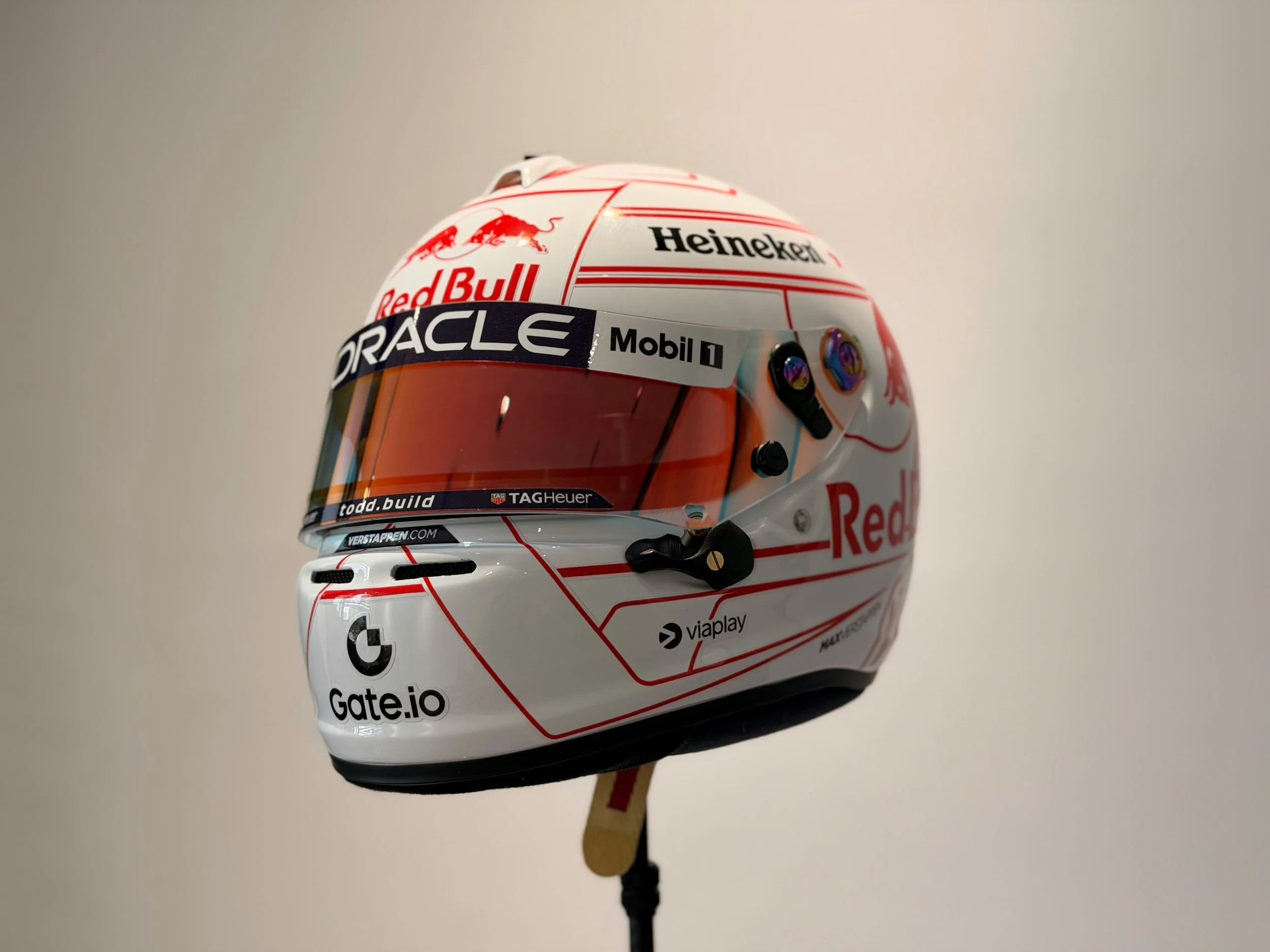
1. An F1 Partnership Is More Than Media Space
The broader industry conversation around authenticity, integration and measurable outcomes for sponsorship is not new. Brands- and fans- have been questioning surface-level Formula 1 sponsorship models for years.
What remains uneven is execution.
If a partnership only “exists” when cars are on track or behind the scenes in hospitality, the partner is effectively investing in a series of isolated moments rather than building a continuous platform.
Formula 1 offers a complex commercial and cultural ecosystem, spanning performance narratives, content platforms, B2B networks, live experiences and sustained digital engagement across a season. The infrastructure to build deeper influence exists.
Yet many F1 partnership strategies and activate selectively within that system rather than structurally across it.
The brand appears…but not clearly positioned within the broader narrative.
2. The Credibility Shift in F1 Partnerships
Audiences are more commercially literate than ever before. They understand that brands pay to be present in sport. What they increasingly look for is credibility. Why is this brand in the sport? What role does it genuinely play? Is it contributing to performance, innovation or culture, or simply a cash grab occupying space?
At the same time, brands enter Formula 1 not only for logo exposure, but to access a vast global audience: fans, decision-makers and commercial networks.
Increasingly, they are scrutinising sponsorship ROI in Formula 1, not just visibility metrics.
For partners, legitimacy strengthens brand equity and drives longer-term commercial return. Without it, the partnership remains visible but strategically shallow.
For teams, integrated partnerships contribute more than revenue. They strengthen the narrative, enhance credibility and create stories that fans actually engage with, rather than tolerate.
For fans, authentic partnerships feel additive. They make the sport richer, whether through technology, access, content or experiences. Inauthentic ones feel transactional and they stop listening.
Authenticity in partnership is demonstrated through relevance: either in what the partner enables for the team, or in what it delivers for the audience.
When that legitimacy is unclear, visibility remains superficial. When it is clear, the partnership begins to carry weight.

3. The Check List Mindset
Most sponsorship agreements in F1 are structured around defined entitlements:
Driver time
Filming days
Hospitality access
Digital campaigns
Branding placements
Event visibility
At the beginning of the year, hospitality understandably takes precedence. Guest programmes are scheduled, senior stakeholders attend races and the experience delivers immediate, tangible value. It is visible, measurable and exciting, so it naturally attracts focus.
But then towards the end of the season, there’s often a collective “uh oh” moment.
The team realises there are outstanding commitments to fulfil before year-end. The partner recognises that access, campaign entitlements and budget remain available.
The team has a contract to deliver against. The partner doesn’t want value left on the table.
From that point, one of two things tends to happen.
The mad rush. A shoot is booked to use the remaining access. Posts are scheduled to close the gap on impressions. It exists to satisfy commitments , not to build momentum.
Or rights quietly expire. Access goes unused. Campaign elements are not fully activated. The season closes without extracting the full value that was already paid for, or putting those rights to value.
In both cases, the emphasis shifts from building a coherent programme to clearing deliverables.
For teams, that creates operational pressure. For agencies, it reduces the work to execution. For brands, it caps commercial upside.
This is where I believe many partners unintentionally leave value on the table.
The issue is rarely the rights package itself. It’s the absence of a clearly defined F1 partnership strategy guiding how those rights work together.
4. Structuring Partnerships for Commercial Impact
Branding, digital activation, hospitality, B2B, CRM and commercial follow-through all work in tandem. They are pistons in the same engine. When connected deliberately, they form the backbone of a coherent F1 sponsorship strategy.
Yet many partnerships continue to manage these elements as separate functions rather than as coordinated components of a unified commercial system.
Effective F1 partnership strategy begins with that ambition and works backwards from commercial objectives, not entitlements. Too often, hospitality, content, branding and access are executed efficiently within their own lanes but without a unifying commercial logic connecting them.
If B2B growth is the priority, hospitality and executive access should operate alongside thought leadership and content credibility, forming a coordinated influence system rather than a collection of isolated touchpoints.
If repositioning is the objective, storytelling, driver access and distribution must reinforce the same perception shift consistently across the season. This is where rights are structured to drive something, not just to be ticked off.
For a deeper breakdown of how season-led architecture supports this, I’ve explored campaign integration in more detail here: A Framework for Building Season-Led Partner Campaigns in F1.
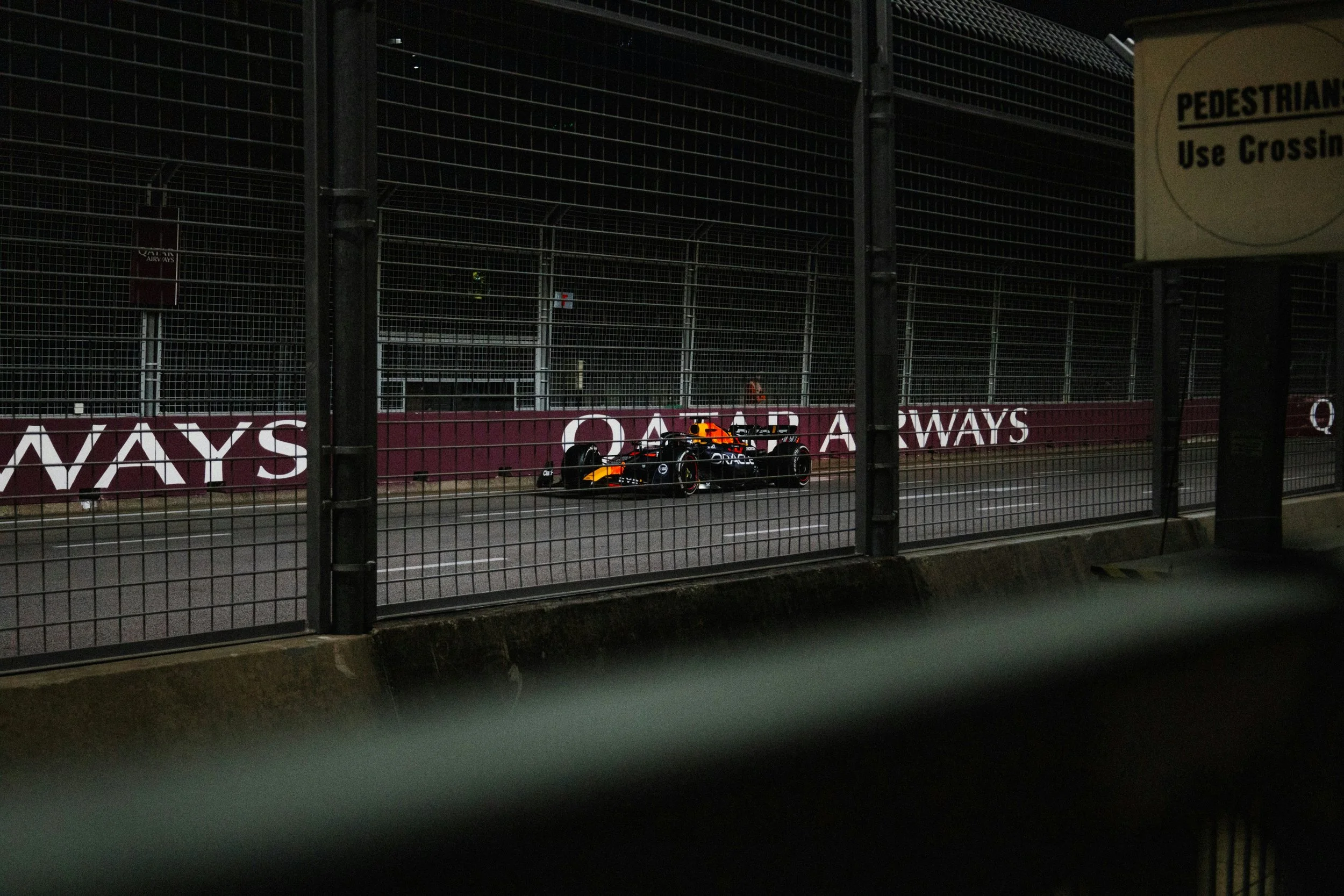
5. Where Reporting Is Heading
MAV and incidental exposure is unlikely to disappear from F1 reporting. The scale of broadcast and global reach will continue to matter, and MAV will remain a useful benchmark.
But expectations around sponsorship reporting in F1 are evolving.
Across the wider sports industry, sponsors are increasingly asking not just who saw a logo, but what changed as a result. Did perception shift? Did engagement deepen? Did relationships progress? Did the partnership influence behaviour in a measurable way?
As brands become more sophisticated in attribution across other marketing channels, expectations will evolve in sponsorship as well: visibility will remain the entry point, but influence will become the differentiator. This reflects a broader shift in sports sponsorship measurement toward behavioural and commercial outcomes.
For F1 partners and teams, this raises an important question: If reporting evolves toward engagement, progression and measurable outcomes, is the partnership structured to deliver those signals?
If rights are executed race-by-race, without a unifying ambition or integrated system, deeper measurement becomes difficult.
However, If they are designed deliberately, sequenced across content, live moments and commercial touchpoints, then reporting can move beyond surface-level exposure and impressions.
The future of sponsorship reporting is unlikely to be about replacing MAV. It will be about layering influence on top of it. And the partners and teams who prepare for that shift early will be the ones with the strongest long-term leverage.
6.Conclusion
Exposure still matters in a sport with the scale and cultural power of Formula 1. The risk lies in mistaking visibility for value.
As expectations around attribution and commercial accountability increase, partnerships will increasingly be assessed on progression, not just presence.
The question for 2026 is not whether exposure was delivered or how many times a logo was seen. It is whether the F1 partnership strategy has been designed to drive measurable commercial progression, not just visibility.