
How Brands Activate Formula 1 Partnerships
Every Formula 1 sponsorship begins with a defined set of commercial rights.
When a brand signs a partnership with an F1 team or rightsholder like F1, the agreement outlines what that brand is allowed to do within the relationship. These rights might include access to drivers for filming days, branding on team assets, race weekend hospitality and speaking or opportunities to create digital campaigns with the team.
In many cases, partnerships go beyond marketing rights. Technology and engineering partners often provide products, infrastructure or expertise that teams rely on to operate and compete. These relationships can play a genuine role in the performance and day-to-day operations of the team.
But rights alone do not create impact.
The real value of a Formula 1 sponsorship comes from how those rights are activated through Formula 1 sponsorship activation campaigns, content and experiences across the season.
Formula 1 partner activation is the process of translating sponsorship rights into marketing programmes that engage fans, support business objectives and bring the partnership with the team to life.
Understanding how that process works is essential for brands investing in Formula 1.
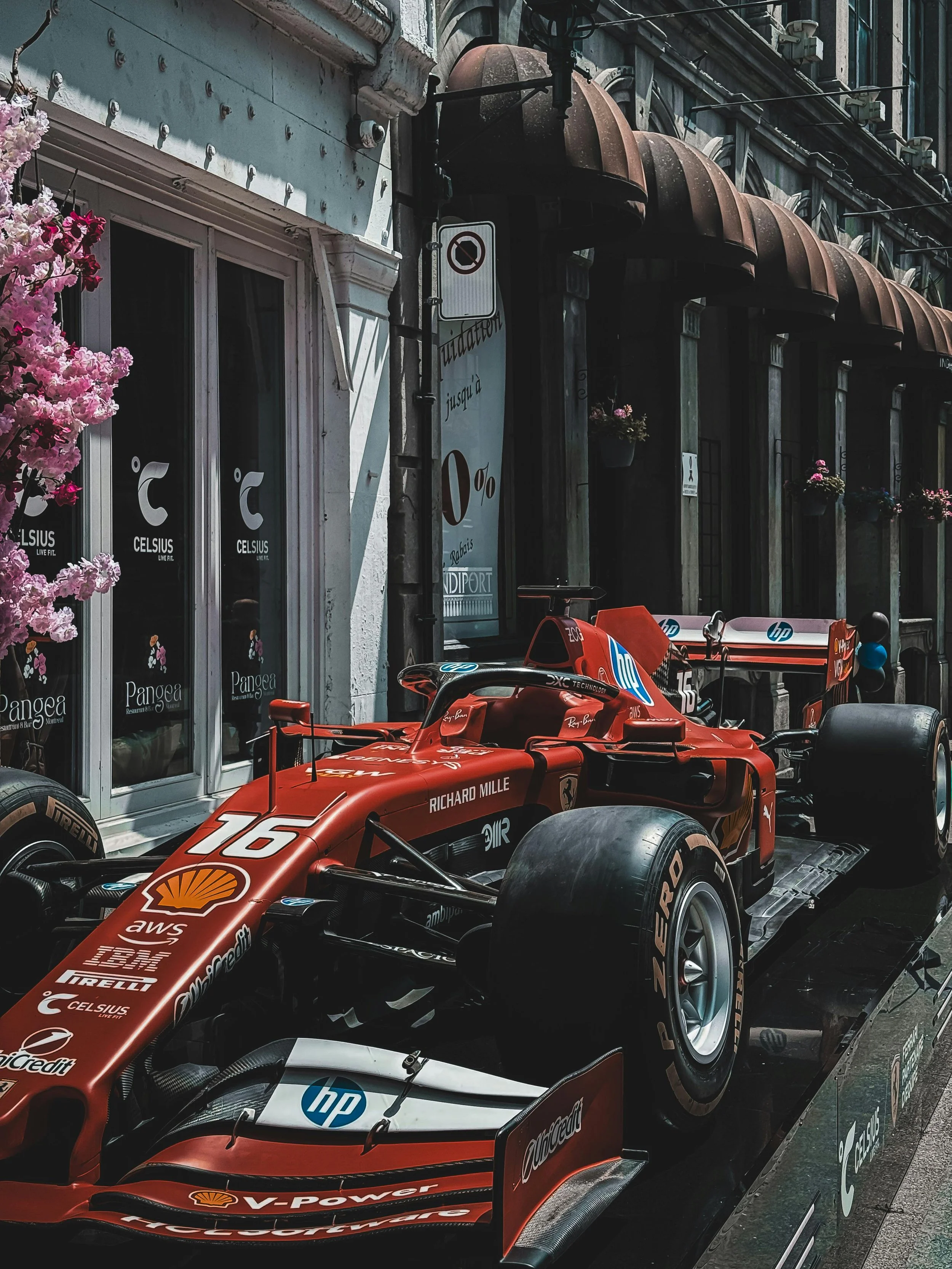
What brands actually receive in a Formula 1 partnership
Every Formula 1 partnership is built around a defined package of commercial rights.
These rights determine what a partner is able to do within the relationship with the team. The exact package varies depending on the scale of the partnership, the partner’s category and the commercial agreement between both parties.
At the highest levels, partnerships can include a combination of branding, marketing access, technology collaboration and fan engagement opportunities. These rights form the foundation for how brands develop campaigns and activations around the partnership.
Rights in F1 may include:
Title and naming rights
In some partnerships, the brand becomes part of the team name. This usually includes extensive brand integration across team assets and global media exposure.Branding across team assets
Logos and visual branding can appear on cars, driver suits, team clothing, garage environments and other team assets.Driver access for campaigns
Partners may receive access to drivers for filming days, marketing campaigns and content creation.Race weekend hospitality
Hospitality programmes allow partners to host clients, employees and guests at Grands Prix throughout the season.Fan experiences and engagement
Some partnerships include opportunities to create fan activations such as meet-and-greets, competitions or behind-the-scenes access.Technology or product integration
In certain partnerships, brands provide technology, products or expertise that teams use in their day-to-day operations.Marketing and promotional rights
Many partnerships include rights that allow brands to use the team’s identity in advertising campaigns, digital content and broader marketing activity. These rights enable brands to incorporate the team and drivers into their own marketing communications.
Hospitality and experiential rights
Hospitality rights give partners the opportunity to host guests at race weekends, often including access to team facilities, paddock areas or exclusive experiences.
Understanding the rights included in a partnership is the starting point for building any Formula 1 activation strategy.
Licensing and product rights
Some partnerships allow brands to develop co-branded products using the team’s name and visual identity. These collaborations often appear in fashion, lifestyle or consumer product categories.
Understanding the rights included in a partnership is the starting point for building any Formula 1 activation strategy.
The Formula 1 activation ecosystem
Once a partnership is in place, the next step is turning those rights into campaigns and experiences.
In practice, Formula 1 activations usually take place across three main environments: race weekends, digital storytelling and brand marketing outside the paddock. The most effective partnerships combine elements of all three.
Trackside activation
Race weekends provide one of the most visible platforms for partners. Activations at events can include hospitality programmes, guest experiences, product showcases and fan engagement moments built around the Grand Prix environment.Content and digital storytelling
A large portion of modern Formula 1 activation happens through digital content. Partners often collaborate with teams to create social media campaigns, driver-led storytelling, behind-the-scenes content or technology-focused narratives that are shared across team and brand channels.Brand marketing outside Formula 1
Many campaigns extend beyond the paddock. Brands may incorporate the partnership into advertising campaigns, retail activations, product launches or broader marketing initiatives that connect the Formula 1 story to their wider audience.
The most effective partnerships combine elements of all three environments, creating campaigns that reinforce the partnership across multiple touchpoints throughout the Formula 1 season.
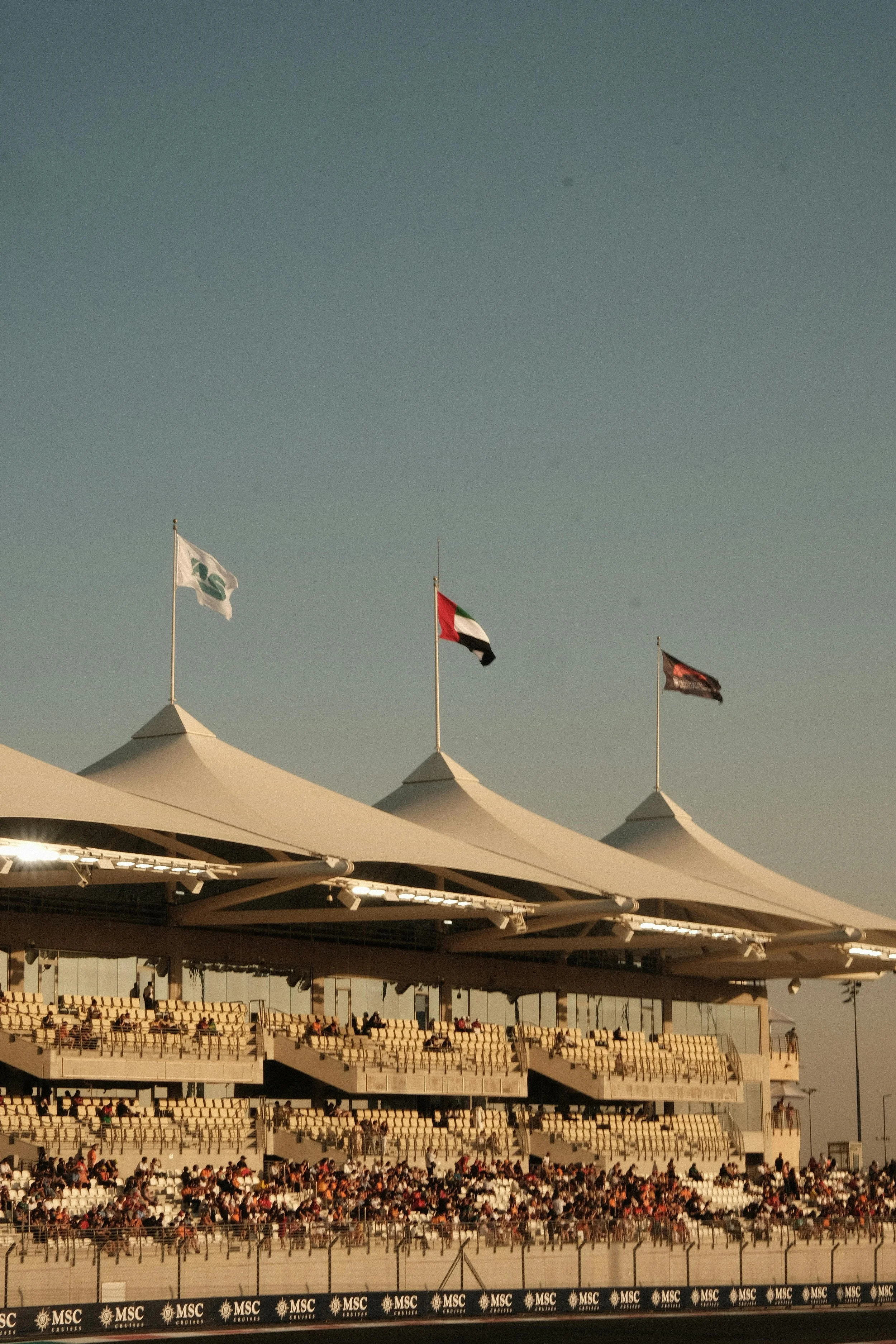
How brands work with teams to activate partnerships
Activating a Formula 1 partnership usually involves close collaboration between the brand and the team across multiple departments.
Brands typically work with the team’s partner managers or project managers, who help coordinate how the rights included in the partnership are delivered across the season.
From there, activation often involves working with marketing, digital, internal comms, brand teams and content teams inside the organisation to bring campaigns and experiences to life.
In practice this can include organising driver filming days, planning F1 marketing campaigns built around the partnership, coordinating race weekend hospitality and guest programmes, or delivering fan engagement and brand storytelling across team channels.
Some activations are designed around specific races, such as special livery campaigns or fan moments during major Grands Prix, while others focus on longer-term storytelling across the season.
Because many rights involve access to drivers, team environments and race weekends, careful planning is required to align campaigns with the team’s schedule and publishing rhythm.
Timing and planning constraints
Because teams operate on tight race calendars and drivers have limited availability, campaigns often need to be planned months in advance. Filming days, driver access and race weekend activations are carefully scheduled to fit within the team’s operational priorities.
Limited access to drivers
Driver time is one of the most valuable resources within a partnership. Most teams allocate a limited number of filming days or appearances each season, meaning brands must plan carefully to maximise the impact of those opportunities.
Common types of Formula 1 partner activation campaigns
Once a partnership is in place, brands begin activating Formula 1 partnerships through campaigns and experiences across the season. Activations can appear across race weekends, digital platforms and broader brand marketing programmes.
Depending on the scale of the partnership, activations may range from global marketing campaigns and race-specific moments to smaller digital storytelling initiatives across the season.
Common formats include:
Race-specific campaigns and special liveries
Some activations are built around individual Grands Prix. One of the most visible examples is special livery campaigns, where the car design is temporarily updated for a specific race.
These moments are often supported by digital storytelling, fan engagement, limited-edition merchandise and hospitality programmes around the race weekend, creating a major campaign moment within the season.
Race weekend and fan experiences
Race weekends provide a powerful environment for fan engagement and brand visibility. Activations may include fan experiences, competitions, product sampling or product placement within the event environment.
Brands may also host hospitality programmes, garage tours or guest experiences designed to bring customers and partners closer to the team.
Licensed products and brand collaborations
Some partnerships include licensing rights that allow brands to develop co-branded products using the team’s identity. These collaborations often appear through clothing collections, accessories or lifestyle products and are supported by retail launches, digital campaigns and brand storytelling around the partnership.
Content and digital storytelling
Many partnerships focus heavily on digital content. Brands often collaborate with teams to create social-first storytelling, interviews with drivers and behind-the-scenes content shared across team and brand channels.
Some campaigns run continuously across the season as always-on content series, while others are built around specific races or moments in the championship.
Driver appearances and talent campaigns
Access to drivers is one of the most valuable elements of a Formula 1 partnership. Brands frequently use driver or senior leadership appearances for marketing campaigns, brand events, interviews or promotional activity.
These appearances may take place during filming days, partner events or race weekends.
Experiential and brand activations
Some partnerships extend beyond Formula 1 circuits into broader marketing experiences. These might include product showcases, brand installations, simulators, merchandise, show cars, activations or live events designed to engage fans and customers.
For a deeper look at experiential specifically, I’ve explored how brands can move beyond the usual F1 activation playbook by combining F1 access with cultural capital and local relevance to create experiences people genuinely want to attend.
Business networking and B2B engagement
For many organisations, Formula 1 partnerships also support business development. Companies may host executive events, customer experiences or leadership roundtables built around race weekends or team facilities. These environments allow brands to strengthen relationships with clients, partners and suppliers while connecting those conversations to the partnership with the team.
Employee and partner engagement
Formula 1 partnerships are also used for internal engagement. Companies may host employee experiences, leadership events or partner workshops with the team as part of their wider business strategy.
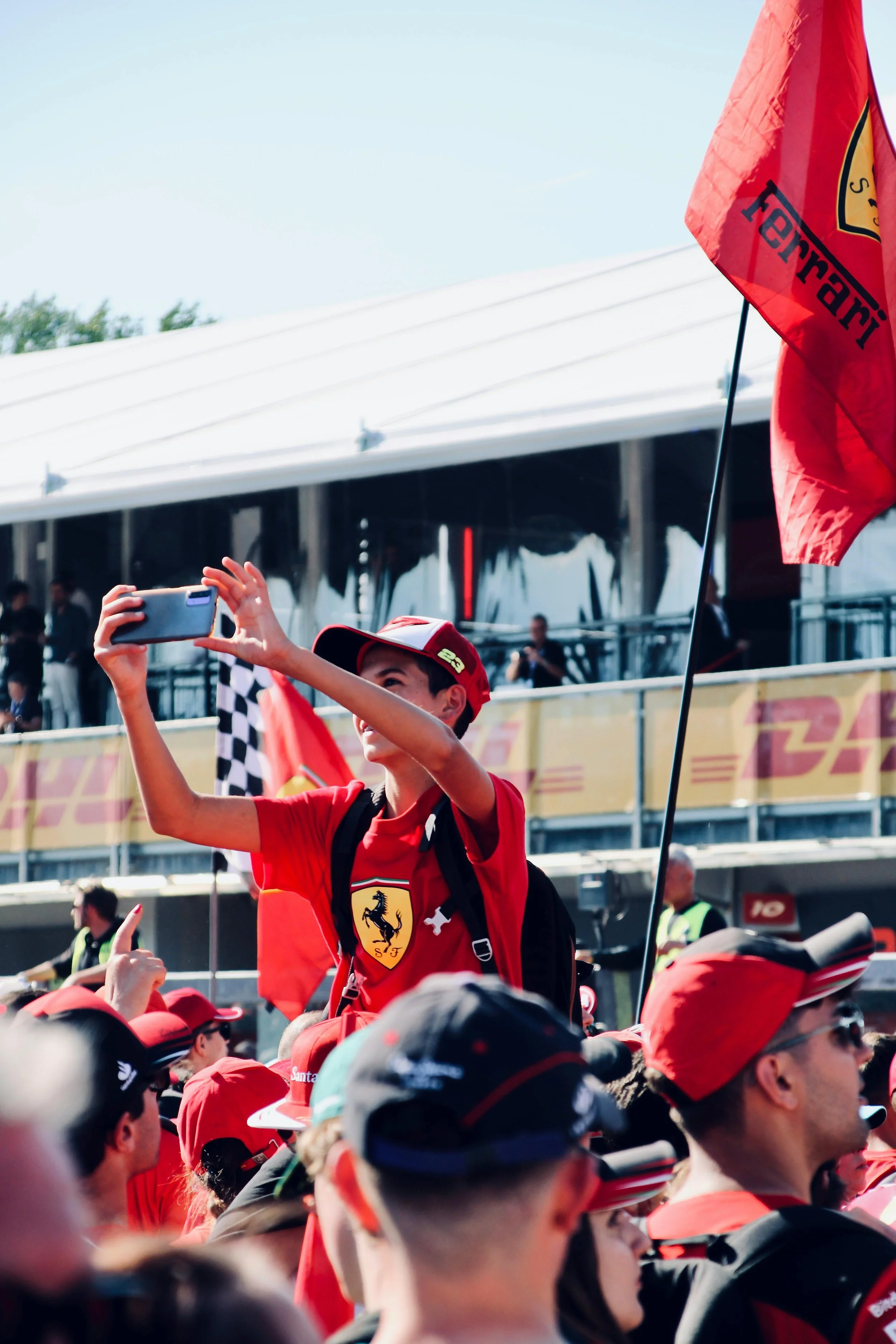
Why some F1 sponsorship activations underperform
Many Formula 1 partnerships include valuable rights, access and visibility. But in practice, not every partnership delivers the same level of impact.
One of the most common challenges is that activations are developed as isolated campaigns rather than part of a structured partnership strategy.
Without a clear framework connecting rights, storytelling and marketing objectives, partnerships can become fragmented across race weekends, digital campaigns and brand initiatives.
Successful Formula 1 programmes usually take a coordinated approach — aligning campaigns with the rhythm of the championship and integrating partner storytelling with the team’s wider content ecosystem.
Another challenge is internal alignment brand side. The partnerships that extract the greatest value from Formula 1 treat sponsorship not simply as a marketing platform, but as a broader business ecosystem - aligning marketing, product, sales, leadership, employee engaging
For a deeper look at how brands structure more effective programmes, see:
How Brands Turn Formula 1 Sponsorship Rights into Business Impact and ROI
F1 Partnership Strategy: From Visibility to Commercial Leverage
Formula 1 Partner Activation: What Teams Want Brands to Know
These frameworks explore how organisations translate sponsorship rights into structured campaigns and long-term partnership programmes.
Conclusion
Formula 1 partnerships offer brands a wide range of rights, from branding and driver access to race weekend experiences and digital storytelling.
But the real value of those rights depends on how they are activated.
The most effective partnerships translate sponsorship rights into structured campaigns that appear across race weekends, content programmes and broader brand marketing initiatives throughout the season.
Understanding how these activations work is an important first step for any organisation looking to unlock the full potential of a Formula 1 partnership.
If you’re planning a Formula 1 partner campaign or looking to structure a sponsorship activation strategy, explore more insights on the Outlap blog.
If you’re planning a campaign or activation and would like to discuss a project, feel free to get in touch.