
Most F1 Sponsor Content Isn’t Built for Fans. It Shows.
For all the talk about content, culture and always-on ecosystems, a lot of partner/ sponsor output in Formula 1 still feels like it’s built the same way it always has.
Campaign-first.
Message-led.
Signed off internally before anyone’s really asked whether a fan would choose to watch it.
A lot of sponsors start with what they want to say, and hope the F1 audience cares.
But if you want to get the most out of the millions you’re investing in an F1 partnership, that approach doesn’t just leave value on the tableit limits the return on investment on one of the most expensive marketing investments a brand can make.
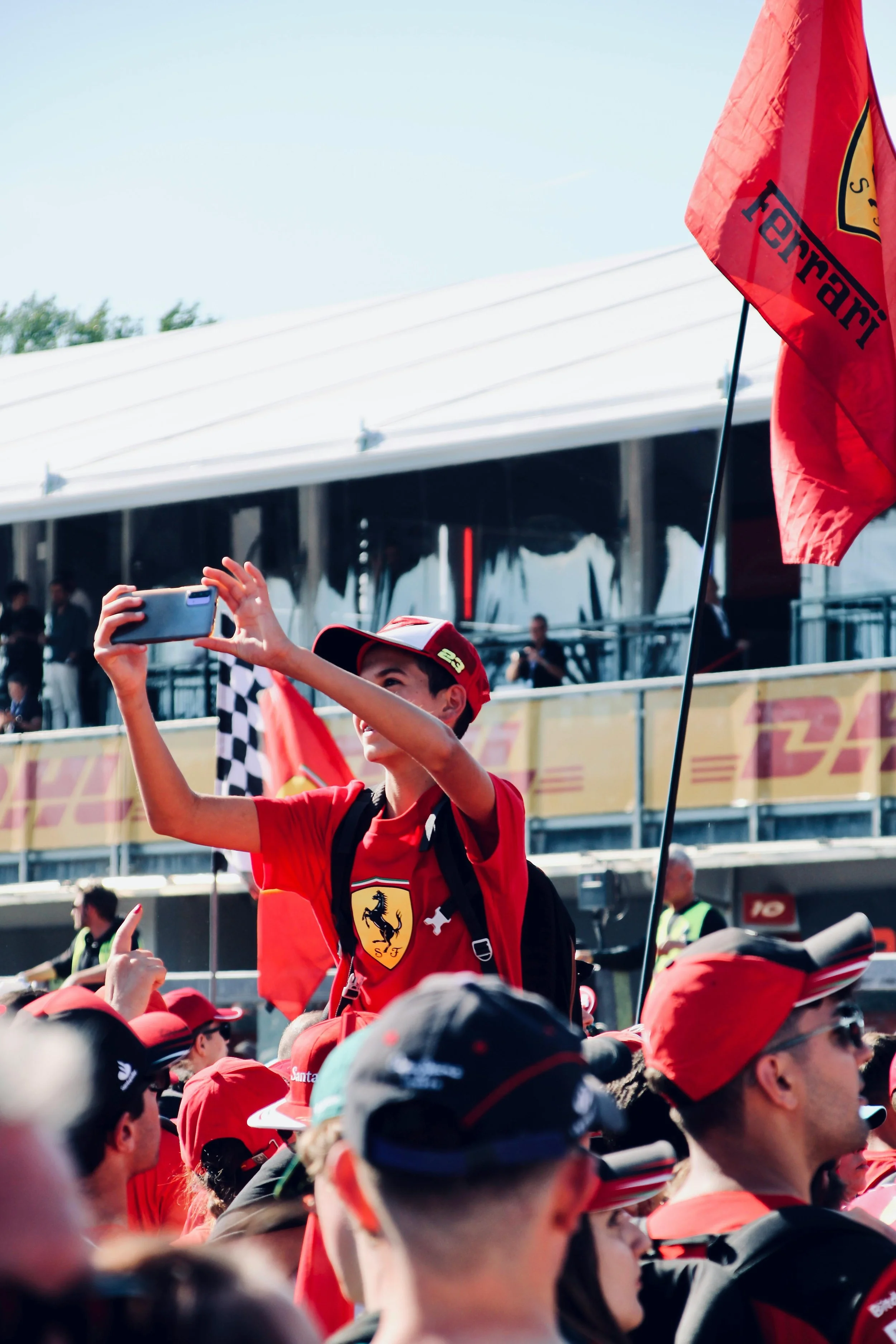
Modern Formula 1 fans engage with the sport beyond the race — through content, culture and shared moments.
2. Why that approach no longer works
We all know Formula 1 engagement now sits across the entire calendar, shaped by a constant flow of content, evolving narratives, and a much closer connection between fans, drivers and teams.
This shift has fundamentally changed F1 fan engagement.
One of the biggest change has been around drivers themselves. They’re no longer defined solely by what they do on track; many are building audiences in their own right, with content that extends well beyond the race weekend.
That has changed what good looks like across F1 social media content.
(Read more about how Formula 1 social media teams actually operate behind the scenes here).
Some teams and partners have started to respond to this, investing in content that feels more native to the way fans engage with the sport. Not just around race moments, but cultural intersections, from fashion and music to the local identity of each race and the personalities within the paddock.
At the same time, the competitive landscape has shifted. Brand content isn’t just measured against other sponsors or campaigns; it sits alongside everything else a fan chooses to watch, follow or engage with.
Which makes the challenge more straightforward, but also more difficult to solve: why would anyone choose to watch this over everything else in their feed?
3. Brand-first vs fan-first
At a high level, the difference is straightforward.
Brand-first content is built to deliver a message. It prioritises clarity, control and consistency, making sure what needs to be said is communicated in the right way and signed off internally.
Fan-first content starts from a different place. It’s shaped by what people will actually choose to watch, engage with and share, and by the context it’s going to live in.
This is where most Formula 1 sponsorship activation approaches start to fall short in practice.
Put simply:
Brand-first optimises for message delivery
Fan-first optimises for attention and engagement
Those aren’t the same thing, and in Formula 1 the gap between them becomes quite obvious.
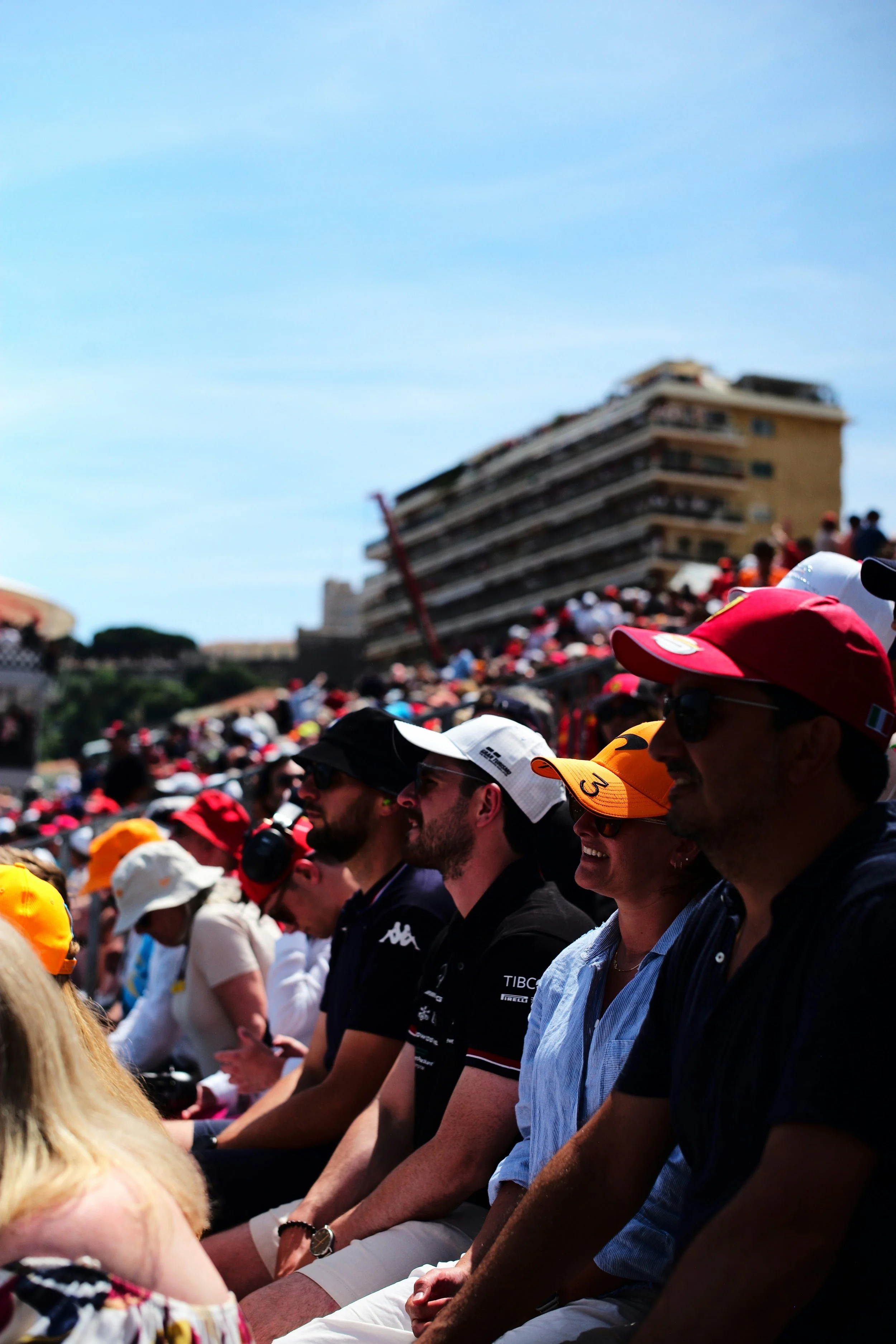
Formula 1 fandom is built on shared moments, something brands need to understand if they want to create content that resonates.
What this looks like in practice
In Formula 1 content, if it doesn’t work for the fan first, it won’t work for the brand after.
If you start with what brand message you need to communicate, you’re already working against how this space operates. The most effective partner content strategy F1 teams and brands adopt starts with understanding what fans already care about, and building from there, not trying to retrofit a message into it.
At its best, content isn’t created by asking how to deliver a message within the sport, but by asking what people would genuinely want to watch, and how a brand can show up within that in a way that feels natural.
4.The pushback: “we’ve paid millions”
A brand has invested heavily in a partnership and understandably wants to make sure it delivers on its objectives. There are internal expectations, stakeholders to satisfy and a clear need to demonstrate value. From that perspective, prioritising message delivery feels like the safest option.
But the F1 audience isn’t there for the sponsor brand. They’re there for everything that already has their attention, the drivers, the rivalries, the evolving narratives across a season, and the culture that sits around the sport.
That attention isn’t neutral. It’s already directed, already earned, and constantly shifting. Content has to work within that and offer something, not interrupt it.
If the only reason something exists is to deliver a message, it’s competing against content that people are actively choosing to engage with. And in that environment, being clear or on-brand isn’t enough to carry it.
The opportunity in Formula 1 for sponsors isn’t just visibility. This is the shift from visibility to commercial leverage that many partnerships still haven’t fully made.
It’s access to a world, an audience and a culture that already holds attention. The brands that get the most out of that investment are the ones that use it to create something people genuinely want to engage with, rather than simply trying to insert a message into it and put themselves at the centre.
5. What “fan-first” actually means
Fan-first thinking starts with understanding how people actually engage with Formula 1:
It’s driven by identity, not just interest - who fans follow, what they relate to, and how they see themselves in the sport
It’s shaped by emotion - moments, personalities and stories people connect with, not just outcomes
It’s inherently social - content people want to share, talk about and experience with others
It extends beyond the track - at cultural intersectionality into lifestyle and status, not just the racing itself
It’s not passive viewership - it’s shared energy, team spirit and collective celebration.
This is the reality of modern F1 fan engagement.
Instead of asking how to deliver a message, the question becomes whether the idea has any relevance within that world in the first place. Does it tap into something fans already care about? Does it feel like something they would choose to watch or even share?
That’s why the strongest partner content in Formula 1 rarely feels like marketing. It works because it connects with how fans experience the sport - emotionally, socially and culturally- rather than trying to redirect their attention towards a brand message.

Formula 1 fandom extends far beyond the race itself — shaped by identity, culture and the experience around it.
6. The shift
Fan-first isn’t a tactic. It’s a different way of thinking about content.
It means starting with the audience. Understanding what already holds attention, and building something that fits naturally within it, rather than trying to retrofit and force a message into the space.
This gap between how content is built and how fans engage shows up clearly in certain moments. That’s where most Formula 1 partnerships still fall short, because the approach hasn’t fully caught up with how the sport actually works.
One of the clearest examples of this is the partner launch announcement.
A new partnership is announced, and the content follows a familiar pattern:
A polished film introducing the collaboration
Senior stakeholders talking to camera
A clear articulation of shared values
A narrative centred on why the brand is entering Formula 1
It’s well produced. It says exactly what it needs to say. And it’s built almost entirely around the brand.
What’s often missing is any real consideration of how that content fits into the Formula 1 ecosystem, or why a fan would choose to engage with it.
Because from a fan’s perspective, this isn’t a moment they’ve been waiting for.
It’s a brand introduction, delivered on the brand’s terms.
And in a space driven by fan attention, that’s exactly why it struggles to land.

Formula 1 fandom isn’t passive, it’s identity, emotion and shared energy. This is what brands are competing with.
So what does better actually look like?
It means starting in a different place. Not with what the brand wants to say, but with what the audience already cares about. Not with messaging, but with something worth watching.
In practice, that shift shows up in simple ways:
Designing F1 social media content for the platform it’s going to live on, how the audience actually engages and not repurposing campaign assets into it
Putting drivers in situations, not scripts
Building ideas around culture, not just the sport itself
Creating formats that can evolve across a season, not one-off launch moments
When you put the fan first, you don’t just create better content, you create something that works for everyone: the partner, the team, and the audience.
This is the shift most partners are still navigating, moving from visibility to something that actually earns attention.