
How F1 Filming Days Actually Work (And How Sponsors Should Use Them)
Most partners assume filming with a Formula 1 team is relatively straightforward. You get access to a driver, bring in a production team, shoot what you need, and leave with a set of assets you can use across your channels.
In reality, it’s not always that straightforward.
Filming days - also known as marking days - in Formula 1 are one of the most tightly controlled and time-pressured parts of an F1 partnership. Access is limited, schedules are fixed, and multiple partners are often working around the same windows. What looks like a simple content shoot from the outside is, in practice, a highly constrained environment where every minute matters.
This is where experience becomes critical. Filming with F1 drivers and senior talent in Formula 1 is very different from a traditional brand shoot, and having a production team that understands how to operate in these fast-moving, high-pressure environments makes a significant difference.
Knowing how to work efficiently with athletes, adapt quickly, and get what you need within a tight window can save a lot of time, budget and unnecessary friction on the day.
This article breaks down how filming days work in Formula 1, and how partners can plan and execute these effectively.
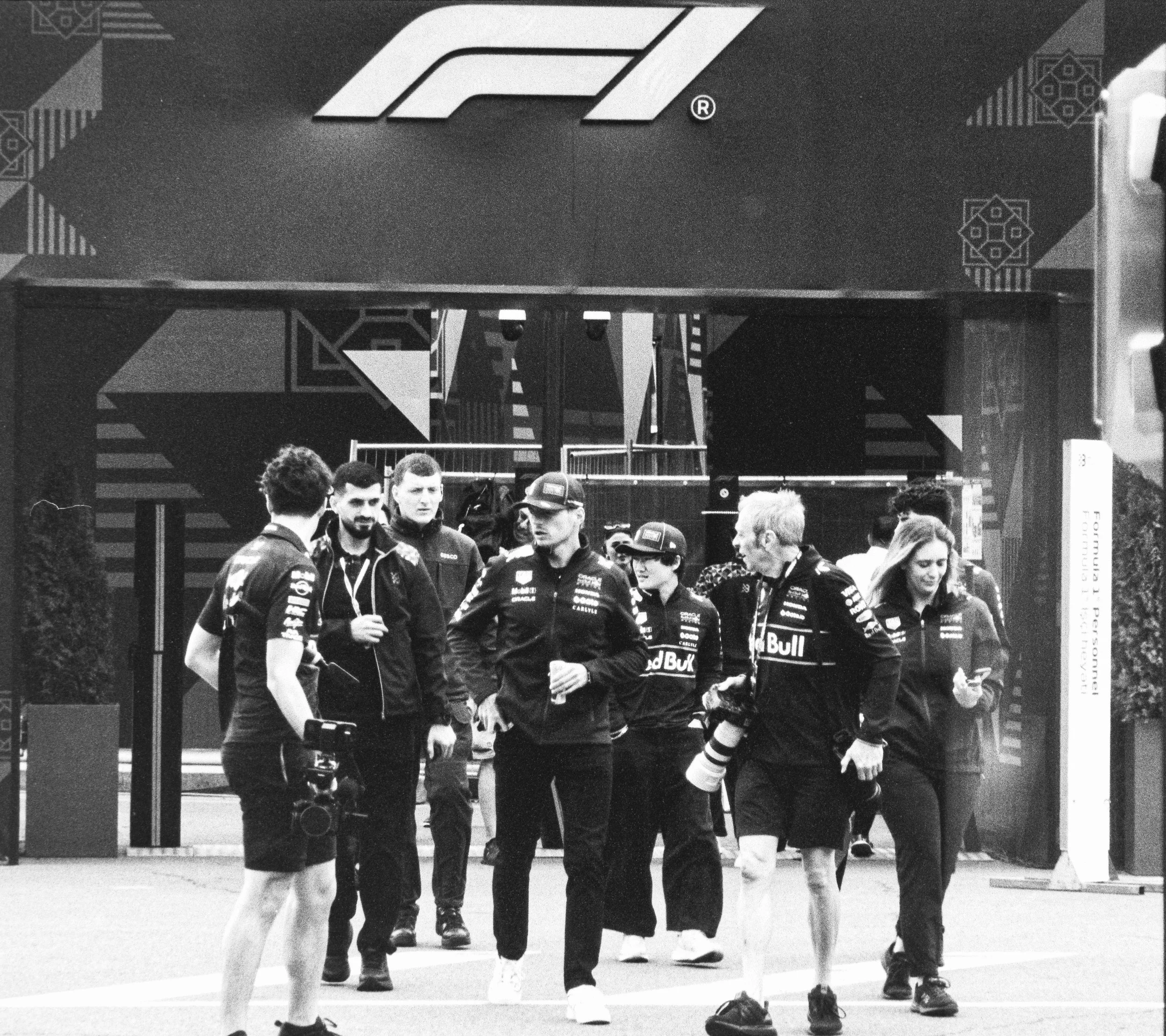
1. F1 Partner Filming time explained
Access to drivers and senior team members in Formula 1 isn’t informal or flexible. It is defined clearly within team partnership contracts, with sponsors typically allocated a set number of hours across the season. The amount varies depending on the level of sponsorship, but this time needs to cover all content requirements, from campaign shoots through to social and internal communications.
Teams structure this access through designated filming or marketing days across the year, designed to fulfil these commercial obligations. Multiple partners are often working within the same windows, which means availability is limited and tightly managed, particularly when both drivers are involved.
Driver access is one of the most valuable assets within a Formula 1 partnership. As driver profiles continue to grow, so does their importance as a marketing tool for brands. However, that value is balanced against team priorities, and the way this time is managed can vary across the grid. Some teams place a stronger emphasis on performance, while others are more commercially flexible, and some partners are more demanding than others in how they use their allocated time.
Because of this, the question isn’t whether time with a driver can be secured. That access already exists within the partnership. The real challenge is how effectively that time is used.
Filming days are typically set by the team, with partners booking into specific slots. These slots fill quickly, and multiple partners may be working within the same day or across the same set of windows. Securing the right timing early is important, particularly if there are specific deliverables, campaign moments, or deadlines to work towards.
This is where planning becomes critical. Without a clear idea of what needs to be captured, and how that content will be used and rolled out across the season, it becomes very easy to waste a limited opportunity.
The most effective partners approach filming days with a defined plan, a prioritised set of outputs, and a clear understanding of how that content fits into their wider campaign programme.
2. How F1 partners use filming days
Filming days support a wide range of outputs, often far beyond what people initially expect. While they are commonly associated with social content, in practice they underpin a much broader mix of how brands activate F1 partnerships and F1 partnership content.
These can include:
Internal communications, such as conference intros or leadership messaging
Paid media, including campaign assets and advertising
Social content across owned channels
Website and brand storytelling
Full campaign shoots, depending on the scale of the activation
At a broader level, these shoots sit within formula 1 content production, often led by partners and delivered through external agencies.
The scope of production can vary significantly. At one end, partners may capture a series of quick deliverables designed to feed multiple channels. At the other, filming days can form part of a much larger production, involving full creative direction and campaign execution.
In most cases, production is led by the partner. This typically involves bringing in external agencies and production teams, with responsibility for concept development, filming, and delivery sitting outside of the team environment (however, this all needs to be signed off and approved by the team before hand). This is specifically in the context of content being created for partner-owned channels.
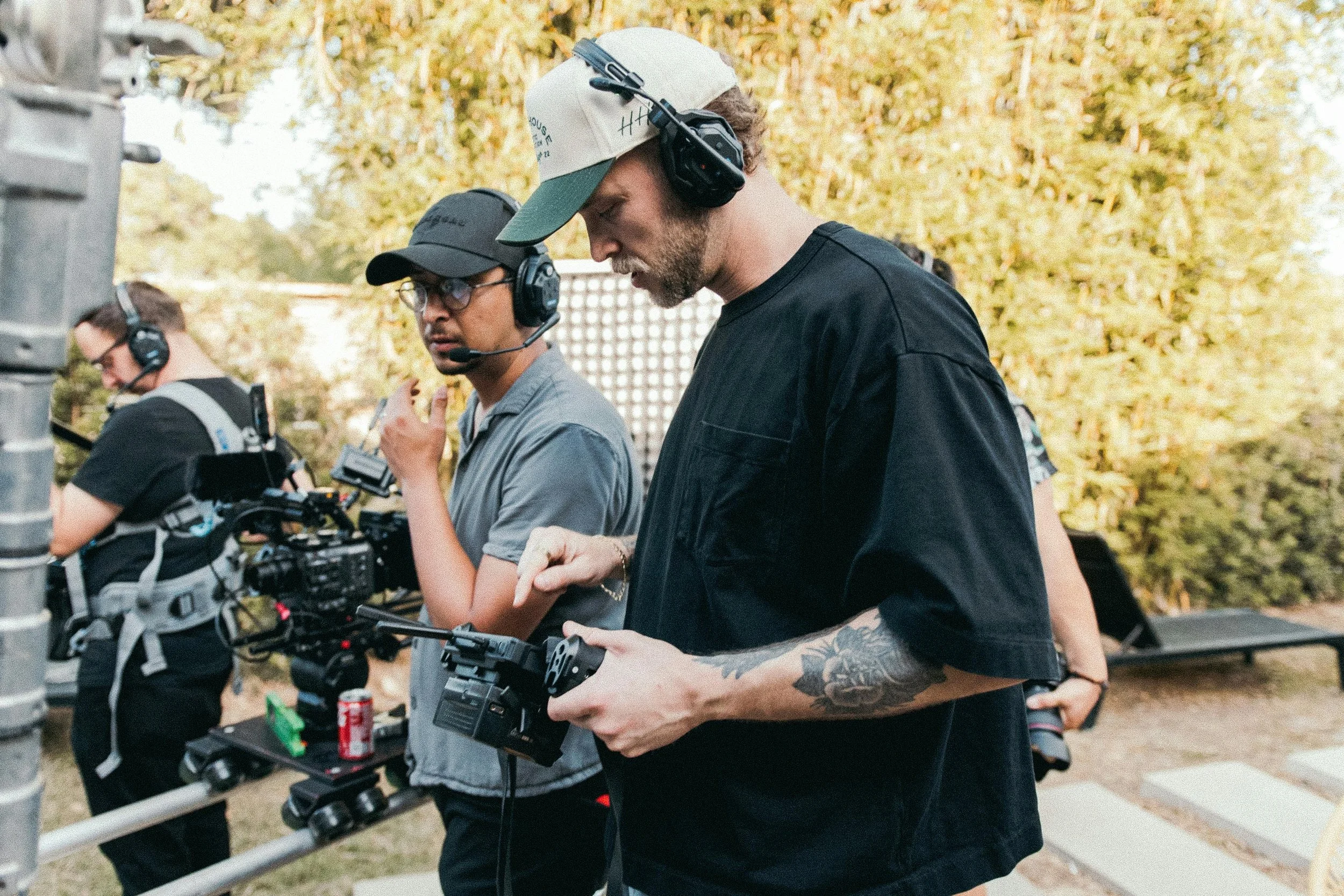
3. The role of agencies and production teams
In most cases, partners bring in external agencies and production teams to lead filming.
This typically includes:
Director
Producer
Videographers / DOP
Social capture teams (depending on the scale)
The level of production varies depending on ambition and budget, from efficient content capture through to full campaign shoots.
Where challenges often arise is in the experience of those teams.
From experience, many partners work with global agencies who are used to leading brand and campaign shoots. However, not all teams are familiar with Formula 1 content production or the realities of filming with F1 drivers in time-constrained environments. Filming in Formula 1 operates very differently, and not all production teams are familiar with:
Working with athletes and high-profile talent in time-constrained environments
The pace and structure of filming days
Commercial and filming restrictions (what can and cannot be captured)
This can lead to inefficiencies on the day, particularly when teams expect the same flexibility as a traditional campaign shoot.
For that reason, working with teams who have experience in Formula 1 — or in similar high-performance sports environments — can make a significant difference, particularly when delivering f1 sponsorship content production.
It’s also worth noting that filming doesn’t happen in isolation. Team representatives are typically present throughout, including:
Communications/ PR teams
Partner managers
Their role is to oversee the process and ensure everything aligns with team guidelines. It’s also worth understanding how F1 social teams work, if you are filming anything with the hope it will go on team channels.
4. The approvals process (before anything is filmed)
Everything starts with a brief.
Partner concepts/ filming requests need to be submitted in advance and are reviewed by the team’s comms/ PR functions before any filming takes place. This is a core part of how F1 partnership content is managed, ensuring that everything aligns and protects the drivers’ and brand’s reputation.
These teams will typically assess:
Brand alignment and how the partner is represented
How drivers and team personnel are portrayed
Any potential for negative sentiment or reputational risk
Any commercial or partner conflicts
Nothing moves forward without this approval. It’s a critical step in the process, and one that needs to be factored into timelines early, particularly for campaigns with tighter turnaround requirements.
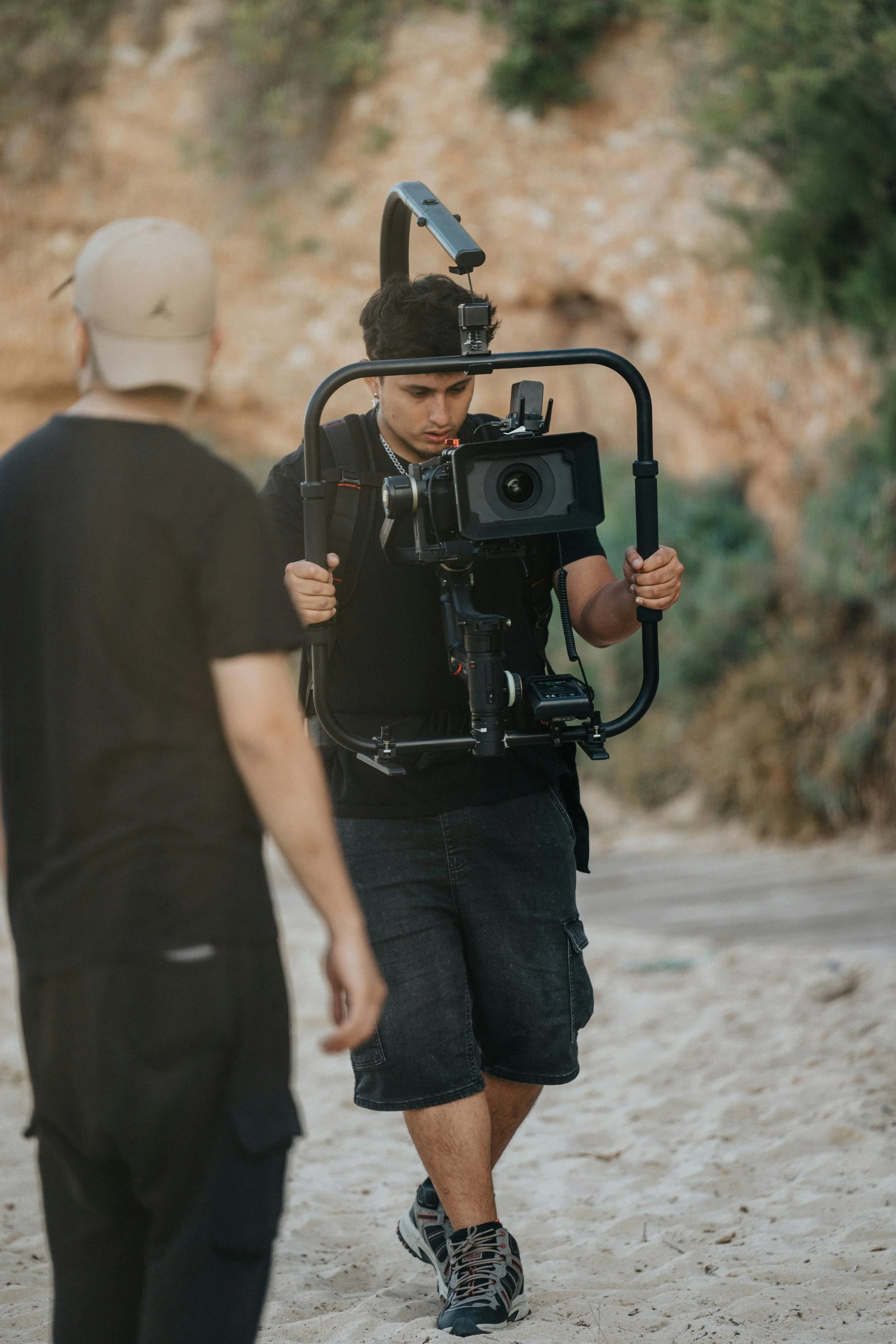
5. Securing and planning the filming day
Once a concept has been approved, the focus shifts to securing and planning the filming window.
This typically involves:
Booking your allocated time slot
Confirming the exact location (often the team’s HQ or factory environment)
Aligning with team/ driver schedules and availability
Coordinating your production crew and setup
Filming days are tightly structured, with multiple partners often working within the same timeframe. Schedules are usually planned back-to-back, which means there is very little flexibility once the day is underway.
For partners, this makes preparation essential. Ensuring everything is in place ahead of time, from crew readiness to shot lists is what allows filming to run smoothly within a constrained window.
6. The reality of driver time in F1
This is where expectations often start to break.
Access to drivers is far more limited than many partners anticipate. You’re not getting a full day to work through ideas, refine takes, and build out multiple scenarios.
In most cases, you’re working within a tightly controlled window, sometimes as little as 30 minutes and it runs to a strict schedule. This is a key consideration when filming with F1 drivers, where preparation and efficiency are essential.
Drivers move in, filming happens, and they move straight on to the next commitment.
There is no flexibility to extend or overrun.
That dynamic changes how filming needs to be approached. There isn’t time to experiment or figure things out on the day. Everything needs to be prepared, prioritised and ready to execute the moment the driver arrives.
It’s also important to recognise that drivers aren’t actors. Some are naturally comfortable on camera, quick with delivery, and able to bring personality into a shoot. Others are more reserved, or require a different approach to get the best out of them. This should be considered early in the concepting stage. Ideas that rely heavily on performance, humour or multiple takes don’t always translate well in a time-constrained environment, particularly if they don’t align with the individual driver’s personality.
The most effective shoots are built around this reality, working with the driver, rather than expecting them to adapt to the production.
7. Where productions can fall short
Filming days in Formula 1 require a slightly different mindset to a traditional brand or campaign shoot, and this is where challenges can sometimes arise.
Many teams are not used to sports athlete content production or working with talent in high-pressure, time-constrained environments, which can impact delivery- both the sponsor side and the agencies bring in.
In many cases, production teams or creative agencies are used to environments where there is more time to refine ideas, adjust setups, and work through multiple takes. That approach doesn’t always translate well into a F1 team filming day, where everything is tightly scheduled and time with talent is limited.
One of the most common issues is simply pace. If a production team isn’t ready to go, or if setups take longer than expected, valuable driver time can be lost very quickly. Similarly, concepts that are overly complex or rely on multiple takes can be difficult to execute within the constraints of the day.
Experience working with athletes and talent in time-pressured environments makes a noticeable difference here. Knowing how to move efficiently, adapt quickly, and prioritise what matters most ensures that the time available is used effectively.
Ultimately, filming days are not driven by the production schedule in the same way a traditional shoot might be. The structure is set by the team/ drivers, and everything needs to work within that framework.
8. What good looks like (high-performance production)
The most effective teams understand how to operate within the constraints of formula 1 content production, working efficiently and adapting quickly.
In practice, that looks like:
Clear direction from the outset, with a strong understanding of what needs to be captured
Experience working with athletes and talent, and an understanding of how different drivers show up on camera
Awareness of the reputational importance of the team and drivers, and how content needs to reflect that
Highly efficient crews who are ready to shoot immediately
Pre-lit or pre-set environments to minimise setup time
Clear, prioritised shot lists focused on key outputs
Minimal resets between setups
The ability to adapt quickly if timings shift or plans change
This kind of approach allows teams to maximise even the shortest filming windows, without compromising on quality.
It’s also a different mindset. Filming days in Formula 1 operate much closer to a live environment than a traditional campaign shoot. The structure is fixed, the timing is tight, and success comes from preparation, efficiency, and the ability to execute quickly.
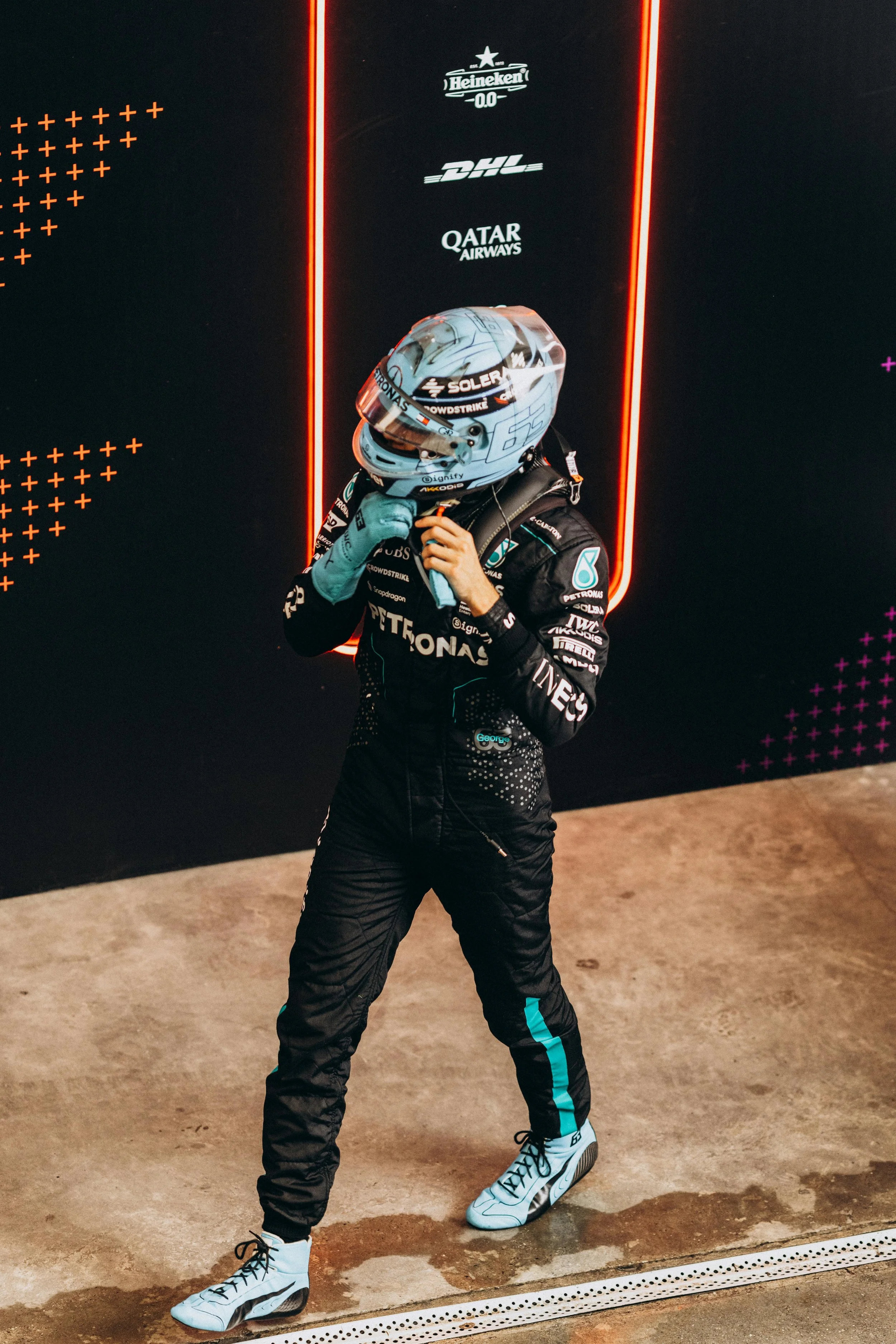
9. How to maximise limited driver time
Understanding how to plan F1 content shoots when working with a limited window, whether that’s 30 minutes or closer to an hour, and getting as much value as possible from the time available is key for F1 team sponsors.
What that looks like will vary depending on the objective of the shoot. In some cases of F1 sponsorship content production, the priority may be a single, high-quality asset. In others, it may be capturing a broader range of content that can be used across multiple channels.
Where possible, it’s worth thinking in terms of outputs rather than individual shots. This can include:
Multiple lines to camera
Interview-style responses or soundbites
Variations in messaging or delivery
Different framings or crops to suit different platforms
Alongside this, planning for supporting content such as b-roll, product shots, and cutaways can help extend the value of the session beyond the primary deliverable.
It’s also worth planning for flexibility within the time you have. If filming runs efficiently and time remains, having additional content ready to capture - whether that’s extra lines, alternative formats, or simple additions like signed items or quick reactive pieces - ensures no time is wasted.
The goal isn’t to overcomplicate the shoot, but to ensure that the time is being used as efficiently as possible. When planned well, even a relatively short filming window can deliver a range of usable assets that support activity across a campaign.
10. Planning your shot list properly
A well-planned shot list ensures that F1 partnership content is captured efficiently and used effectively.
At a minimum, there should be a clear distinction between “must-have” and “nice-to-have” content, with priorities aligned to the time available and the objectives of the shoot. Content should also be designed with different outputs in mind, whether that’s social, paid media, or internal use.
(These outputs often feed into wider partnership objectives, from brand storytelling through to measurable ROI for partners).
In many cases, it makes sense to think beyond a single deliverable and build a broader content suite from the same session.
That said, there are situations where the focus is a single hero asset. If that’s the case, efficiency becomes even more important. Spending a 1 hour filming window capturing material for a 30-second edit rarely makes sense, particularly when that same time could be used to create additional, usable content alongside it.
The reality is that a large portion of what gets filmed never ends up being used. A well-planned shot list helps avoid that, ensuring that the time is spent capturing content that will actually be valuable across the partnership.
11. Track filming days: performance vs content
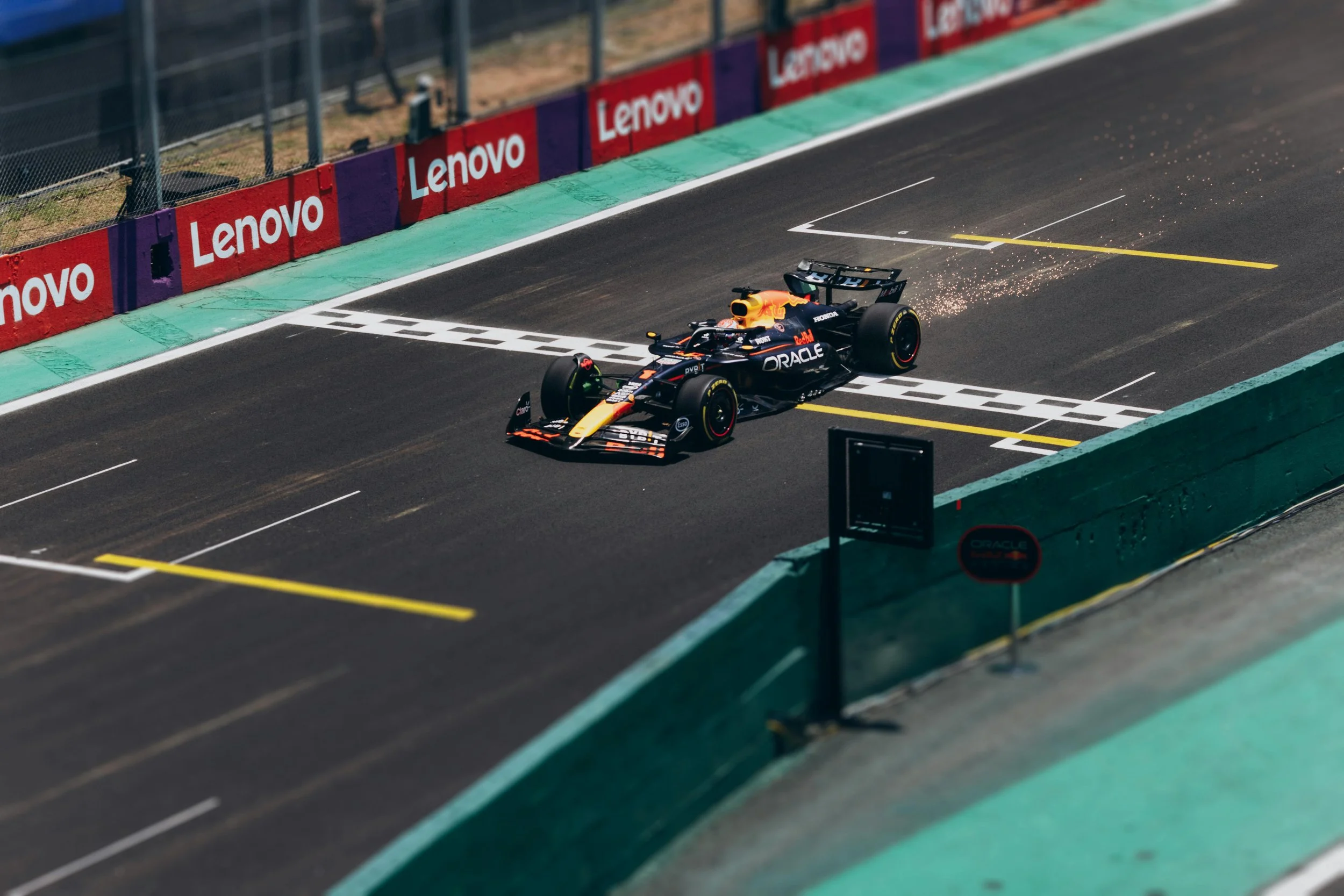
Due to F1 broadcast rights, partners can’t use footage from a live race environment for commercial use, so teams are permitted a limited number of on-track filming days each year.
While content is being captured for marketing use, teams mainly use the opportunity for running of the car and systems checks ahead of the races. To limit any competitive advantage, running takes place on specific demonstration tyres, and the overall mileage is restricted.
These track filming days operate differently from controlled filming days/ marketing days with drivers, and partners are typically not directly involved in these sessions. Instead, these days are used by teams to capture on-track footage of the car - including partner branding - which can then be used across partner marketing, advertising, and wider promotional activity.
Teams will typically run these days at circuits close to their factory to simplify logistics. For example, Scuderia Ferrari often uses its Fiorano circuit in Maranello, while UK-based teams frequently operate out of circuits like Silverstone.
12. Filming across the season: why planning matters
Filming days take place at different points across the season, often tied to team schedules, and driver availability. The most effective partners approach F1 filming days as part of a wider system.
Without a clear plan, it’s easy to fall into a reactive approach, capturing content as and when access becomes available, without a clear view of how it will be used. This often leads to gaps in campaigns or missed opportunities to build something more cohesive.
Planning how and when to capture content is essential to building effective F1 partnership content across the season. The most effective partners map out what needs to be captured across the season in advance, aligning filming days to campaign moments, product launches and key marketing priorities. That allows them to use each session with purpose, rather than trying to solve everything in a single shoot.
Filming days then become part of a wider content system, feeding into campaigns over time rather than being treated as one-off opportunities.
13. Conclusion
Filming with drivers and team personnel is one of the most valuable parts of a Formula 1 partnership. It’s a rare opportunity to create content that feels close to the sport, the team and the personalities that fans connect with.
The brands that get the most out of it are the ones that understand how to plan effectively, and deliver high-quality Formula 1 content production.
That means working with agencies and production partners who understand how Formula 1 works, how to operate in time-constrained environments, and how to get the best out of drivers. It also means approaching filming days with a clear plan for how that content will be used, both in the moment and across the season.
When done well, even a short window can deliver a significant amount of value. When approached without that understanding, it’s very easy for that opportunity to be underused.
Need support with F1 filming days or F1 partnership activation? Whether that’s filming with F1 drivers or delivering sponsorship content production, working with the right team can make a difference. We operate as an F1 content production agency and creative agency for partners and sponsors. Get in touch to find out more.