
Inside F1: Can I work in Formula 1 if I don't live in the UK?
Do F1 teams sponsor visas? Can I get a job in Formula 1 if I need visa sponsorship? Can I work in F1 remotely from another country? These are some of the most popular questions I get from people wanting a career in F1.
A huge proportion of F1 is still based in the UK. There are only 11 teams, permanent remote roles are relatively rare, and if you need visa sponsorship or don’t already have the right to work in the UK, that can be a genuine barrier.
The reality is: is it possible? Yes. Is it common? No.
Visa sponsorship in Formula 1 is highly selective. Not every team sponsors international candidates, and even within teams that do, it can depend on your seniority, the role you’re applying for, how specialist your skills are and your individual right-to-work or visa situation.
So yes, you can work in Formula 1 if you don’t already have the right to work in the UK, but your route into the sport might look very different.
But working in F1 doesn’t necessarily mean getting a full-time job with an F1 team. There’s a much bigger ecosystem around the sport, and if the traditional team route isn’t open to you, it’s worth looking at the other ways in.
Do F1 Teams Sponsor Visas?
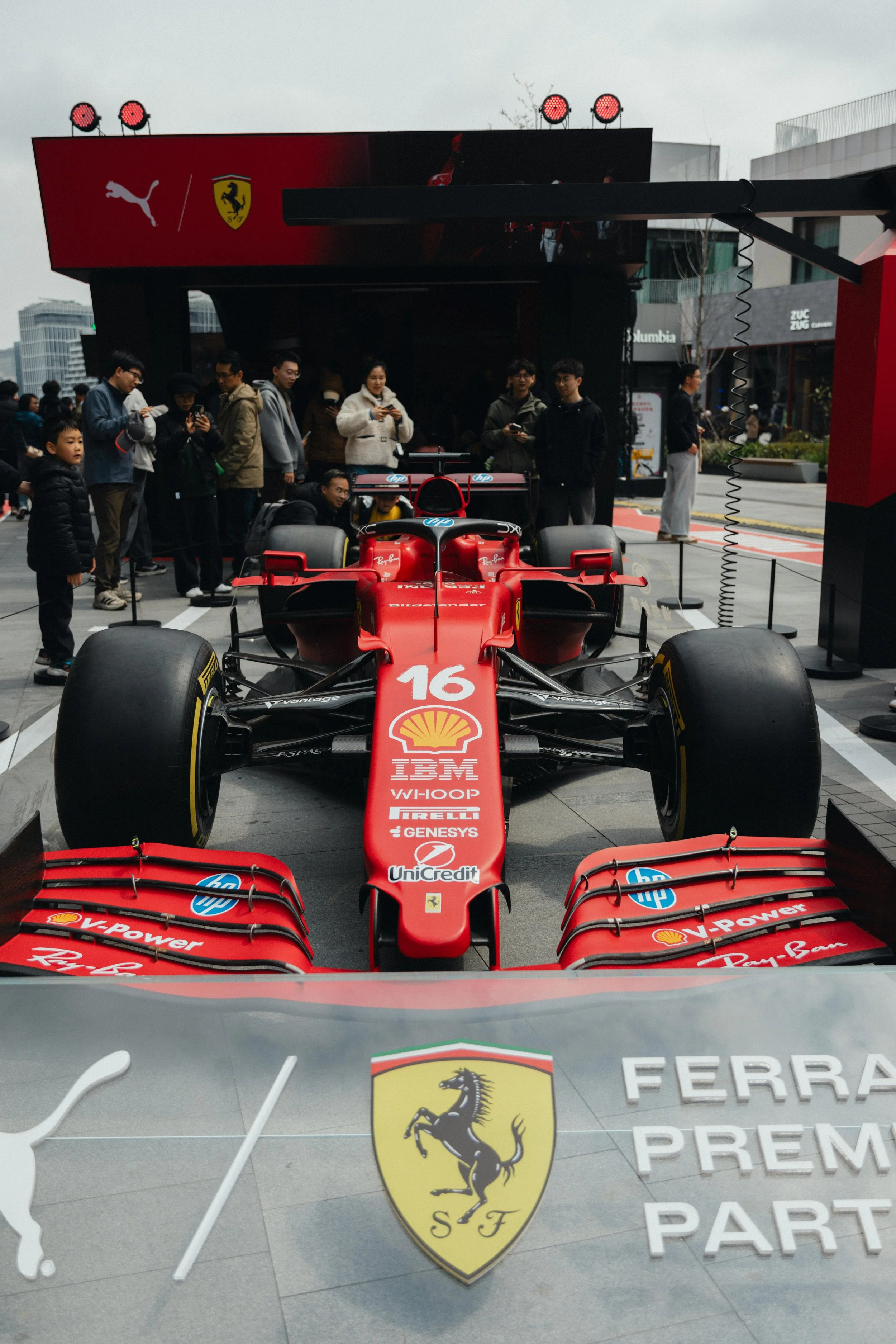
Let’s start with the most obvious route: working directly for a Formula 1 team. Do F1 teams offer visa sponsorship? Yes, sometimes. But in my experience, sponsorship isn’t common for the majority of F1 jobs for international applicants.
When I worked for an F1 team and was involved in hiring, if someone didn’t tick the “have the right to work in the UK” box on their application, we wouldn’t even get to see the CV. It wasn’t necessarily about whether they were good enough, it was that they were automatically disqualified.
I actually think teams could be much clearer about this on their careers pages. People all over the world spend hours applying for F1 jobs without realising that their right-to-work status may prevent them from being considered in the first place.
From what I’ve seen, F1 visa sponsorship is more likely for senior, highly specialised or difficult-to-fill positions than for the junior and mid-level marketing, content, communications and commercial roles that a lot of people ask me about.
So if you’re applying for F1 jobs from the US, EU or beyond and wondering why you’re struggling to get interviews despite having relevant experience, your work authorisation may genuinely be part of the issue.
Do I think it’s fair that where you were born or what passport you hold can have such an impact on your opportunities? No. But it’s the reality, and I’d rather be transparent about it than tell people to keep sending applications without explaining one of the barriers they may be facing.
Remember: Not every F1 opportunity is in the UK.
Audi’s F1 operation, for example, is based in Hinwil, Switzerland, while Cadillac is deliberately building a much more US-centred Formula 1 operation, with its headquarters in Fishers, near Indianapolis. It’s another example of how the geography of F1 is shifting beyond its traditional UK base, and potentially creating opportunities for people who might previously have struggled to access the sport.
It’s also worth looking at the wider organisation, rather than just its F1 vacancies.
McLaren, for example, competes in IndyCar in the US as well as Formula 1. Could you start your career working within its US motorsport operation and eventually move into another part of the organisation? Potentially.
The same applies to bigger international organisations like Red Bull. I know people who have worked elsewhere within the Red Bull ecosystem, whether in sport, another market or another part of the business, and later moved across into motorsport or Formula 1.
It’s rare, and I certainly wouldn’t build your entire career plan around getting an internal transfer, but those routes can exist. Getting into a large international organisation that already operates in motorsport can potentially open doors that simply applying cold to an F1 team might not.
So think laterally. Look at where the teams operate, the other championships their parent organisations compete in, the countries they have offices in and the wider businesses they’re connected to.
Your first job doesn’t have to be in Formula 1 to eventually lead you there.
What About F1 Agencies?
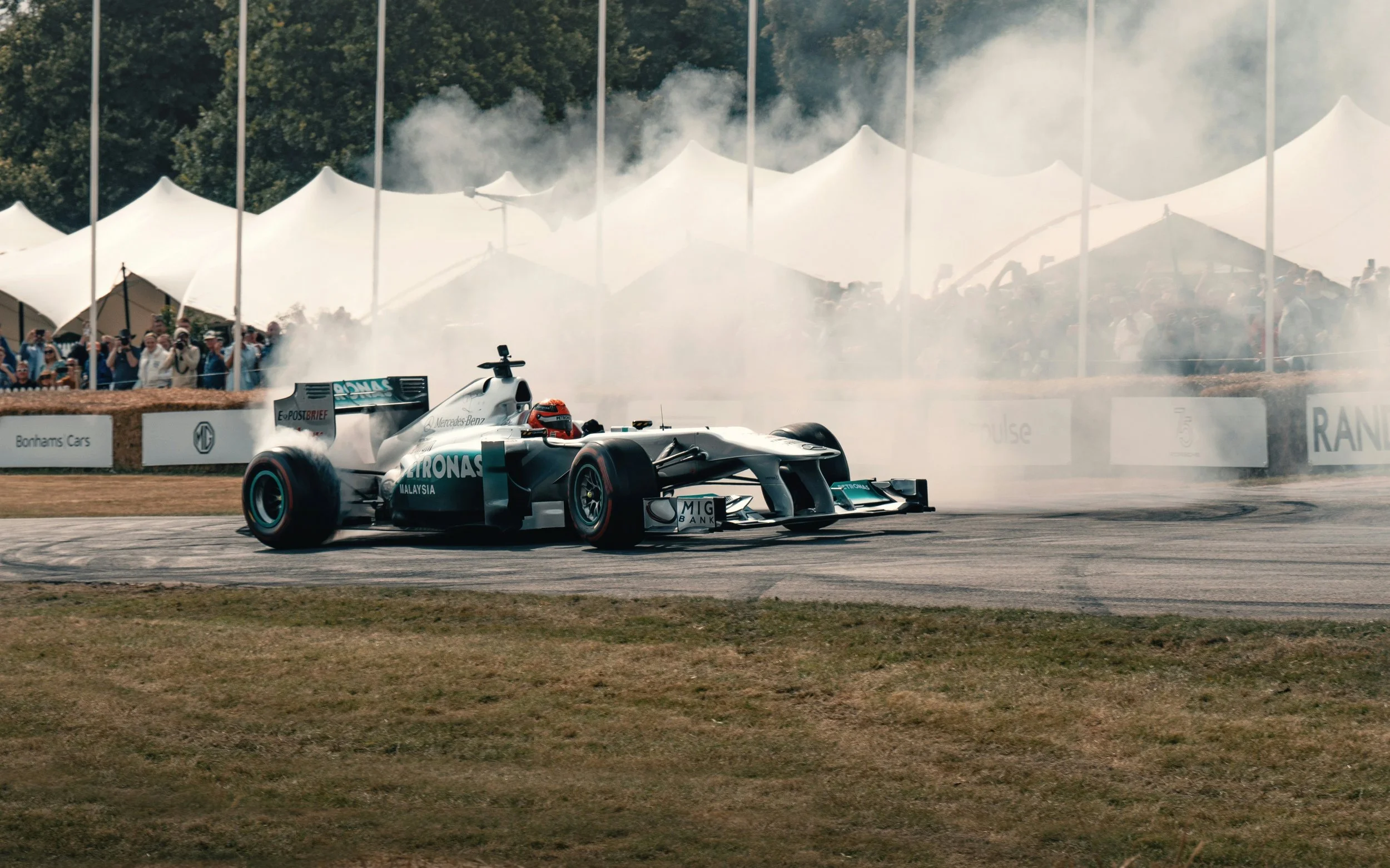
This is where the opportunity starts to get much broader. There’s a huge ecosystem of agencies and suppliers around Formula 1 that most people probably don't think about when they're looking for a job in the sport.
There are sponsorship and partnership agencies, creative agencies, experiential agencies, PR and communications agencies, social and content agencies, production companies, hospitality agencies, travel and guest management companies, talent agencies, the race tracks themselves and plenty more.
Think about everything that happens around a Grand Prix beyond the cars going around the track:
Brands are building fan activations, hosting hundreds of guests, moving people around cities, producing events, creating content, managing media, organising dinners, running hospitality programmes and delivering campaigns. Some agencies are managing entire sponsorship programmes; others might be responsible for one very specific part of a race weekend.
And those jobs can get you surprisingly close to the sport.
You could be producing an event with an F1 driver, managing guests in the Paddock, creating content around a race weekend, delivering a sponsor activation in the city, without actually being employed by an F1 team.
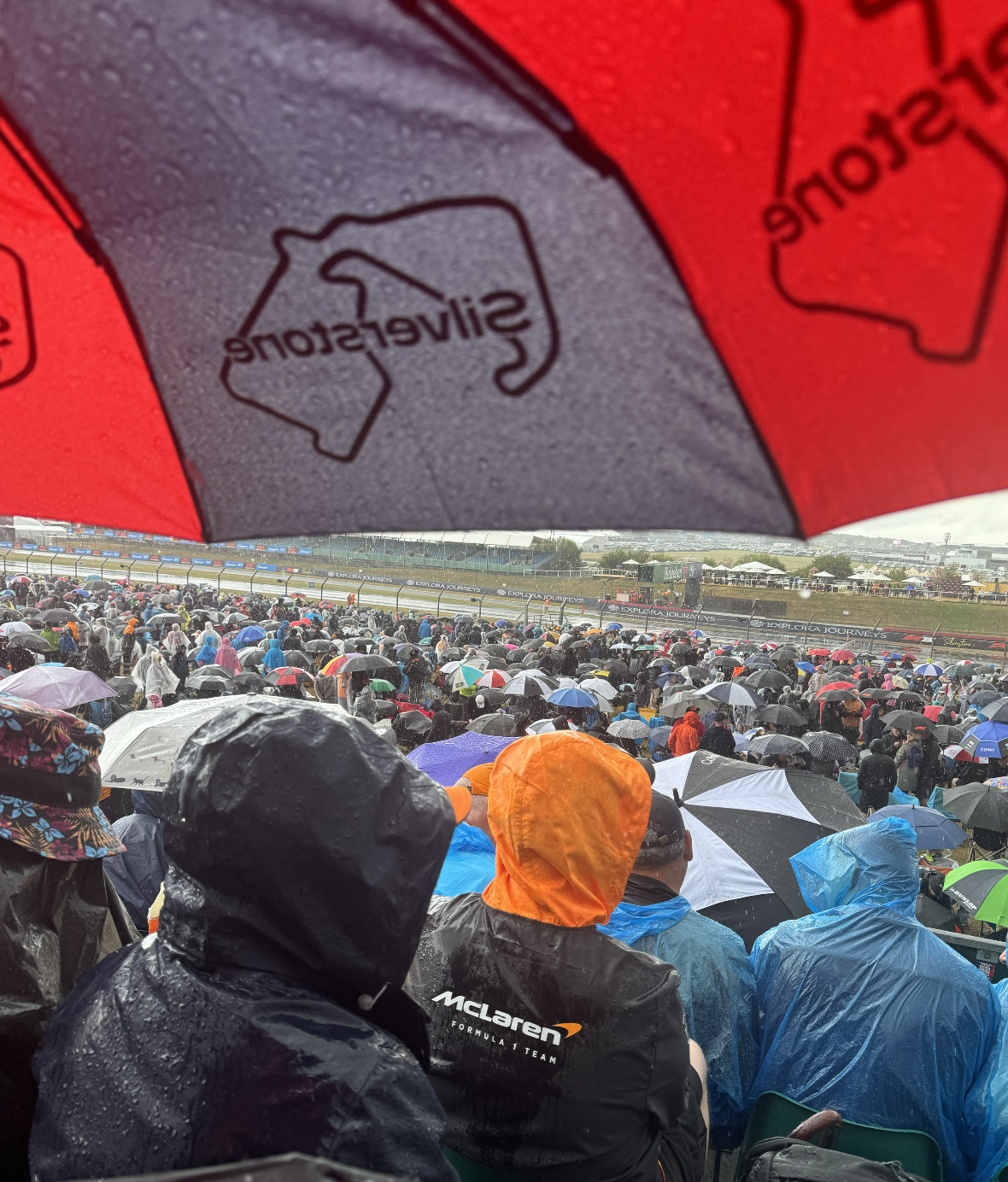
But do these agencies hire outside the UK? Truth be told, a lot of the motorsport agencies I’ve personally worked with are based in the UK or US, so you can still encounter some of the same location and right-to-work issues with permanent roles.
And if you're hoping remote work solves the problem completely, I'd be realistic about that too. Fully remote permanent roles are increasingly the exception rather than the norm, particularly for strategy, client services, content and experiential roles where there’s a lot of collaboration.
But F1 is a global sport, and that creates another opportunity.
F1 races across 21 different markets in 2026, and teams, sponsors and their lead agencies often need local talent and suppliers to help deliver their in-market activations. You might not live near an F1 team, but you might live somewhere F1 comes to you.
When a team or sponsor activates in Australia, Singapore, Japan, the Middle East or anywhere else on the calendar, they don't necessarily fly every single supplier in from London or New York. They might hire a local events agency. A local PR agency. A production company. Photographers. Videographers. Staffing agencies. Hospitality teams. Freelancers.
So if you live somewhere that hosts a Grand Prix, or even somewhere with a growing sports and motorsport industry, find out who's actually delivering the work in your market.
It might not say "Formula 1" anywhere in the company name. But if you're working for an experiential agency in Australia and it wins an activation for an F1 sponsor around the Australian Grand Prix, suddenly you're working on Formula 1.
Freelancers, Contractors and Consultants in F1

Another route that’s often overlooked is freelance, contract and consultancy work.
F1 teams, partners and agencies don't employ every skill they need permanently in-house. They bring in external specialists all the time, and that can create opportunities regardless of where you're based.
Maybe a team needs an illustrator to create a series of race posters. Maybe an agency needs a video editor who speaks Portuguese for content around the São Paulo Grand Prix. Maybe a partner needs a local photographer, producer, strategist or social media specialist for a race-week activation with a local touch.
Increasingly, teams and their partner brands are trying to tap into the culture of the places F1 visits, rather than delivering exactly the same activation in every market (read more about how teams and brands are leveraging that cultural capital).
That might mean collaborating with a local artist or designer, working with creators who already have credibility in that market, partnering with a local coffee shop or restaurant, connecting with another sports team, or tapping into a particular music, fashion or cultural community.
All of that needs people who understand the market and the culture, and sometimes being local is actually your advantage rather than your disadvantage. You could be sitting in Brazil, Japan, Australia or Singapore and become the person an F1 team, sponsor or agency calls when they need expertise in your market.
The same applies beyond local activation. Teams and agencies also use freelance editors, designers, photographers, producers, writers, strategists and consultants for work that can be delivered remotely.
So think about what you can become really useful for. Sometimes the route into Formula 1 isn't finding an F1 job. It's building a skill, specialism or local network that makes F1 come looking for you.
Brands and F1 Partners
Another route is working brand-side. F1 has a huge and growing partnership ecosystem, both across the rights holder (i.e. F1) and some teams have between 30-40 partners.
Every F1 partnership needs people within the sponsoring company to actually manage it. Depending on the business, they might sit in sponsorship, partnerships, brand marketing, sports marketing, communications, content or experiential.
They're the people working with the team and agencies to decide how the partnership comes to life, campaigns, content, events, hospitality, talent, product launches, market activations and everything else around the sponsorship.
And for global brands, that work doesn't necessarily all happen from one headquarters.
A global partnerships team might set the overall strategy, while local marketing teams activate the sponsorship differently in Singapore, Australia, Japan, the US or the Middle East. That creates opportunities for people already working within those markets.
So don't just look at the F1 teams and ask "Who's hiring?" Look at who's sponsoring them. If you already work for a major international brand, or can get into one, there may eventually be an opportunity to work on its motorsport programme, either directly or through a local activation.
And again, your first role might have absolutely nothing to do with Formula 1.
You might start in brand marketing in Italy, move into partnerships, and a few years later find yourself managing part of an F1 sponsorship. Working for one of the companies putting money into the sport can be just as much a route into F1 as working for the companies racing in it.
Look Beyond F1

And finally, don't become so fixated on Formula 1 that you ignore everything else happening in sport.
There are so many transferable skills across sport. If you’ve worked in football on partnerships, content, fan engagement, events or communications, those skills don’t suddenly become irrelevant when you move into motorsport. The commercial models are slightly different, but a lot of the fundamentals are the same.
I know plenty of people who have moved between sports during their careers. Once you’ve demonstrated that you understand fans, partnerships, rights holders, brands, athletes and live events, moving from one sport to another can be a much easier jump than trying to break into the sports industry from scratch.
And there are some really exciting sports properties growing right now. Look at SailGP. Look at the enormous sports ecosystem Red Bull has built. Look at emerging leagues, new formats and properties attracting investment from brands looking for the next place to reach fans.
So if your ultimate ambition is F1, don't dismiss an opportunity in football, sailing, cycling, tennis or another sport because it isn't Formula 1.
Get into sport. Build the skills. Build the network. Then move across. Formula 1 doesn't have to be where you start your career. It can be somewhere your career eventually takes you.
Want to Work in Formula 1?
If you're trying to build a career in F1 or motorsport and want some advice specific to your situation, I offer 1:1 career sessions where you can ask me anything about getting into the industry, applications, career routes and where your experience might fit.
I also offer CV and portfolio reviews for people applying for roles in F1, motorsport and the wider sports industry.
→ Book a 1:1 session
→ Book a CV or portfolio review
More on working in F1
If you're researching careers in Formula 1, you might also find these useful:
→ How to get a job as an F1 Team Content Creator
A practical guide to what the role actually involves and the skills teams are looking for.
→ How F1 social media teams actually work
A look behind the scenes at how Formula 1 content and social teams operate.
Already working in sport?
Outlap works with brands, rights holders and agencies across motorsport and sport, supporting partnership strategy and activation, content, communications and commercial strategy.
If you're looking for support with a sponsorship, sports property or upcoming activation, get in touch.